Saint Lary Loule 1 A.bonal
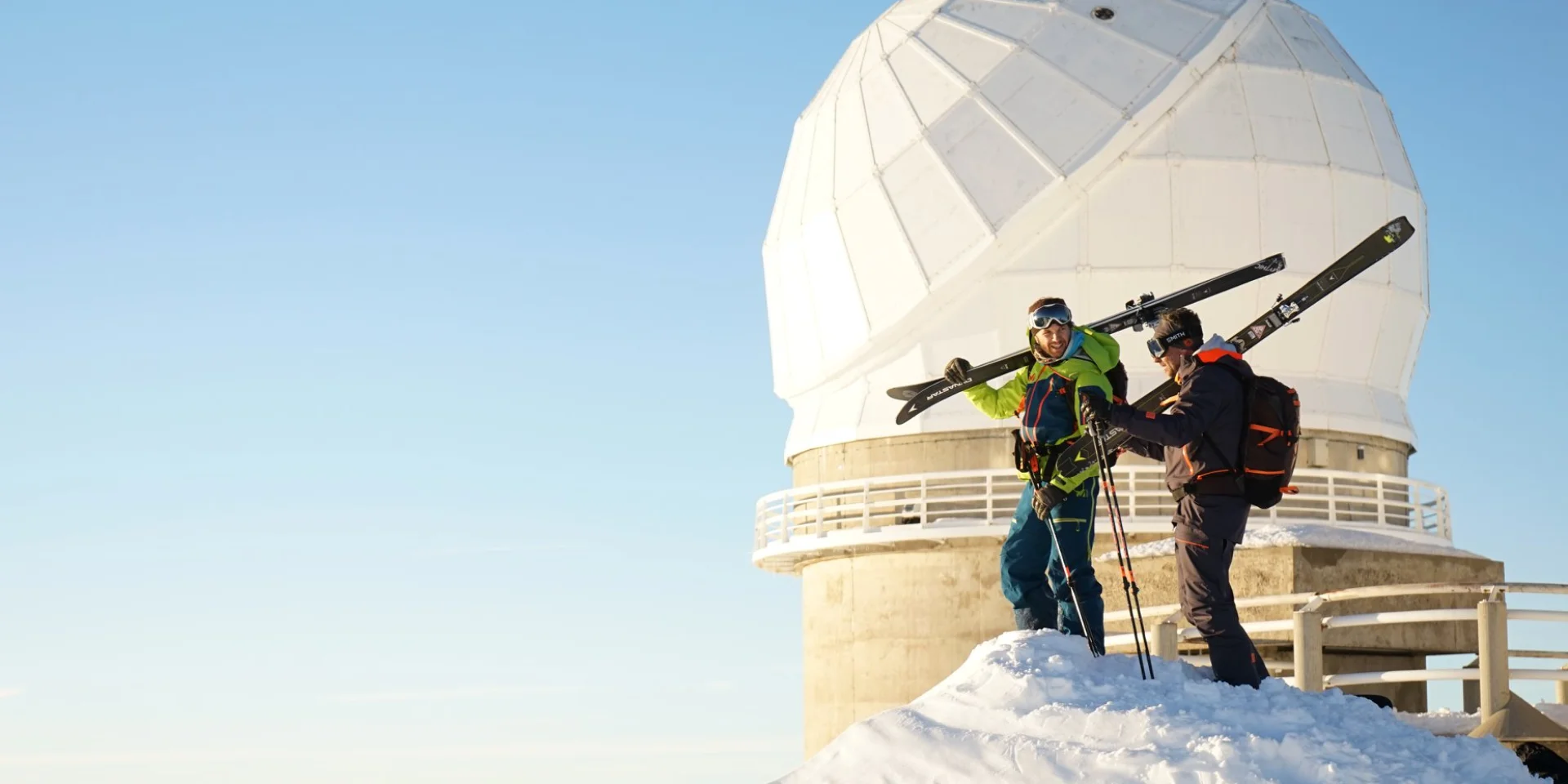
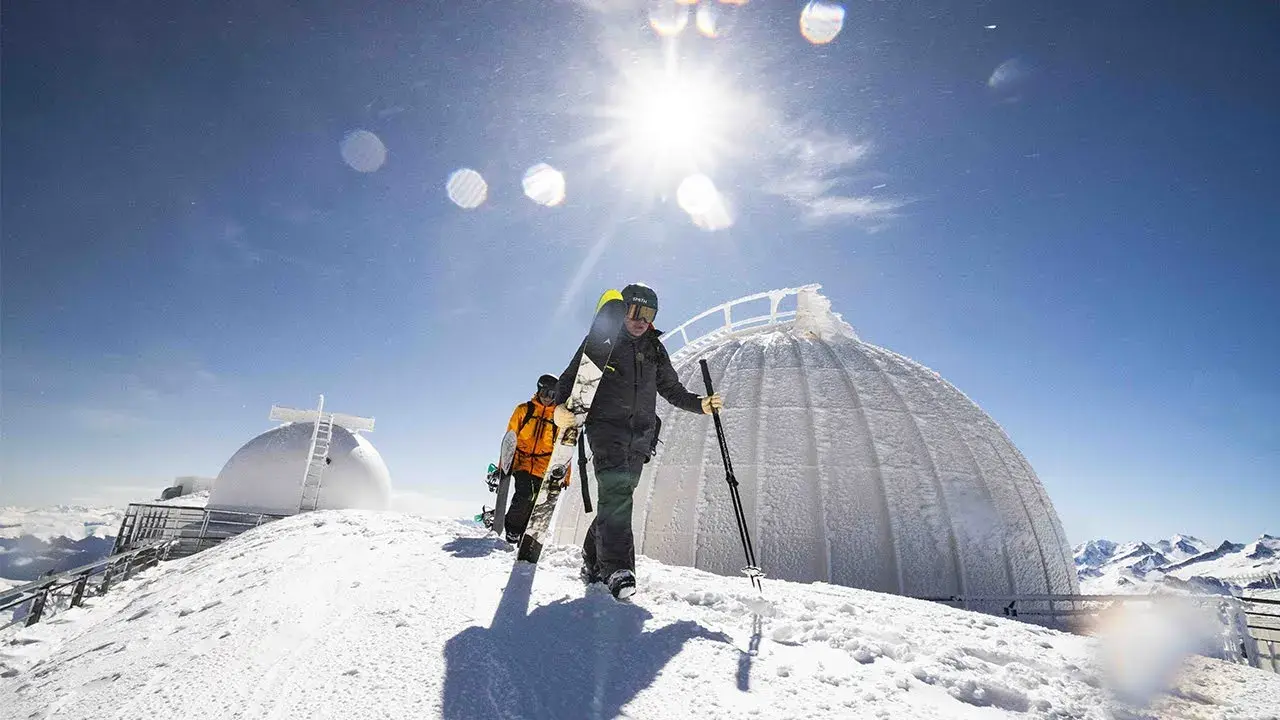
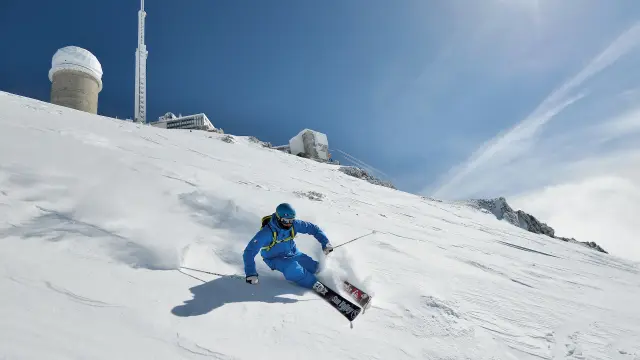
Leave the marked runs to discover a unique skiing sensation and rediscover the atmosphere of the high mountains.
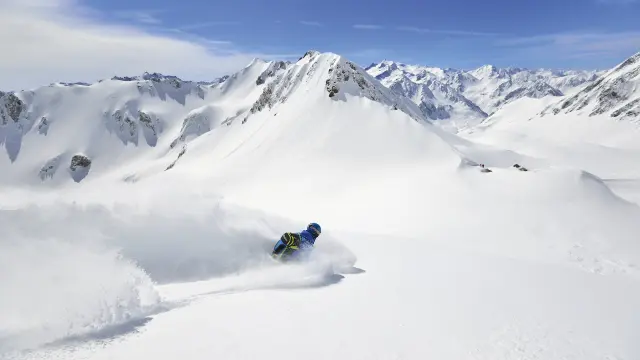
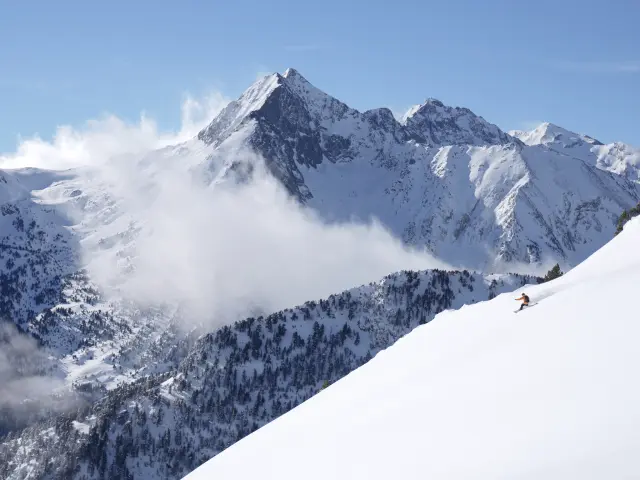
Freeriding is the art of skiing in the wilderness, like a huge blank canvas on which you can draw your own line.
This sport plunges you into the heart of a grandiose panorama, where you concentrate on the snow, the scenery and the search for the best curve.
Saint Lary Loule 1 A.bonal
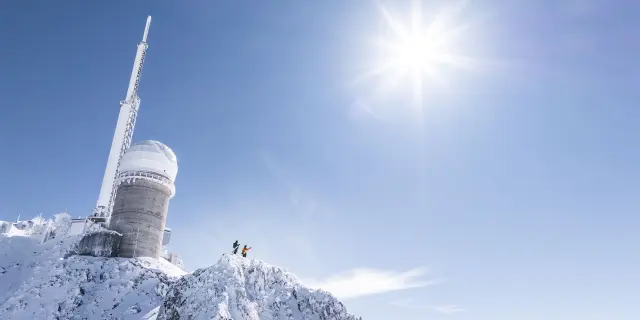
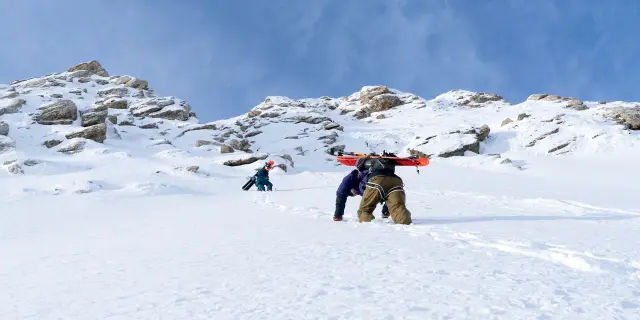
The Gavarnie-Gèdre area, a UNESCO World Heritage Site, is the area of excellence in the Pyrenees for steep skiing, a discipline that combines the technicality of skiing with the commitment of mountaineering. Taillon, Marboré and the Swan couloir are just some of the routes that have made this area legendary. There are also a host of more affordable routes.
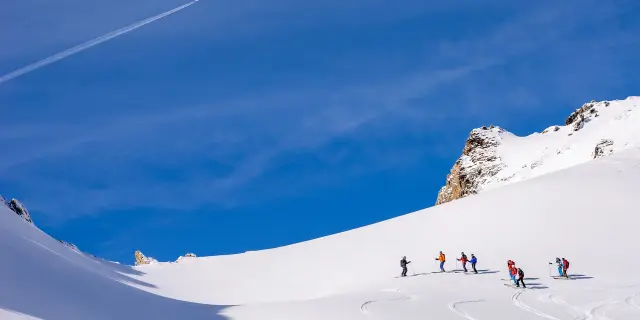
The resort of Barèges – La Mongie is one of the favourite playgrounds of local freeriders, with numerous runs just a short walk from the lifts. Routes such as the Pas de la Crabe from La Mongie are accessible to good skiers looking for a contemplative getaway. As for the Ayret forest, it’s sure to please ski lovers among the fir trees!
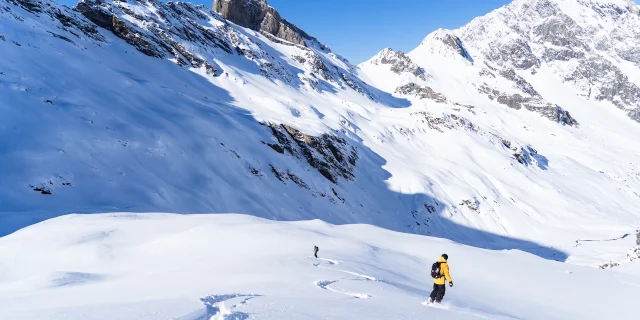
Piau-Engaly enjoys a solid reputation for its natural snow cover and high-mountain atmosphere. The resort’s great classic is the Envers du Pic de Piau. After a short ascent from the top of the chairlift, this route offers a fine 900m descent in spectacular surroundings. When the snow falls in the valley, the Hourc forest offers an ideal wooded area for riding between fir and birch trees, sheltered from the wind.
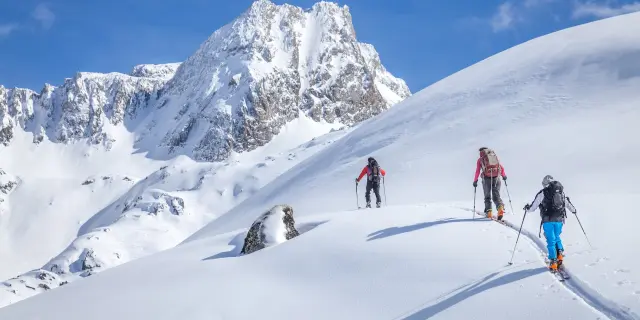
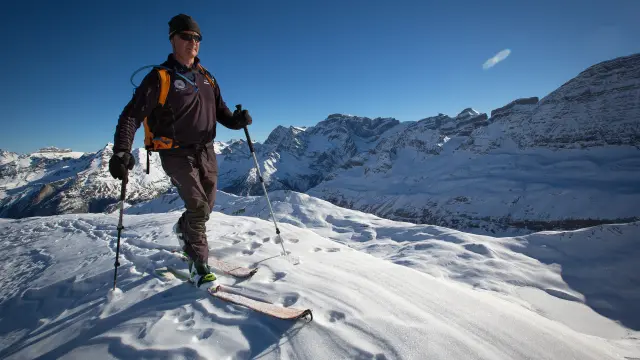
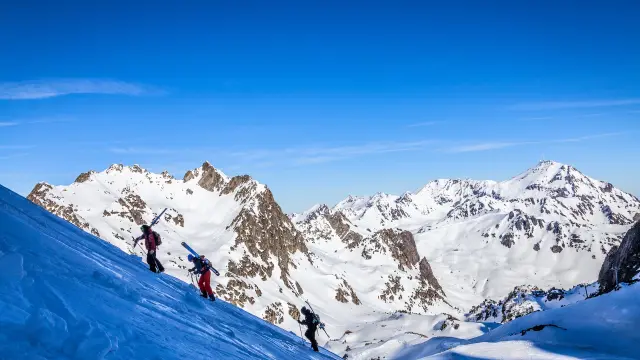
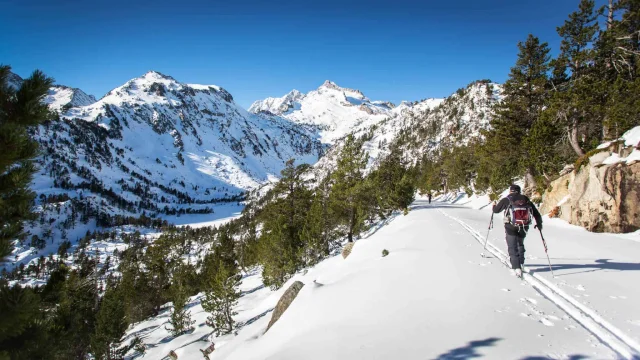
The Aygues Cluses and Campana refuges are excellent base camps, offering moderately difficult off-piste itineraries as well as ski touring routes to legendary peaks such as the Pic du Néouvielle. There are no ski lifts in the heart of this National Nature Reserve, so you can continue your adventure by freeriding with your skins under your feet.
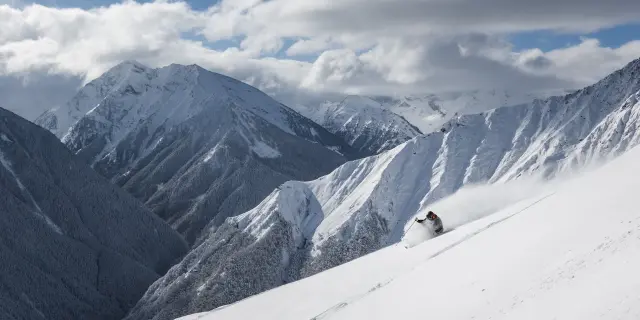
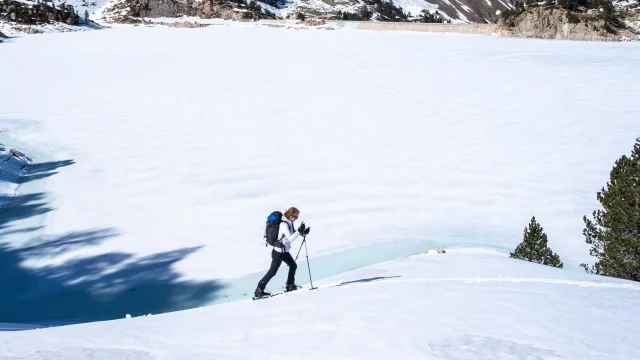
The village resort of Saint-Lary is paying tribute to its local champions by naming an area in honour of the De Le Rue brothers (Xavier, Polo and Victor), legends of snowboardcross and the Freeride World Tour. Located in the Espiaube sector, this marked, ungroomed area offers good skiers a 300m vertical drop to express themselves in the powder, away from the crowds. Another unforgettable itinerary is the descent to Lac de l’Oule. Between hooked pines and the blue of the lake: an absolutely unforgettable descent!
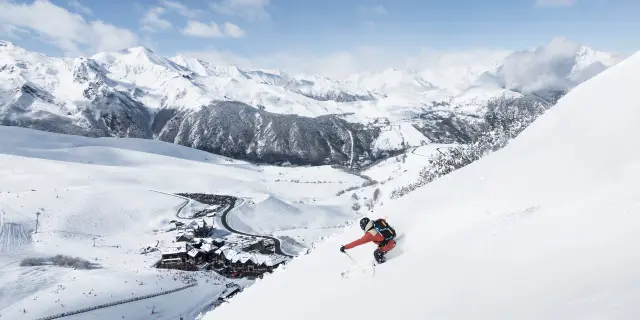
The resort has invested in the off-piste experience. A new ski lift takes experienced skiers to two ungroomed freeride routes. This new facility allows skiers to glide through untamed scenery directly from a lift, and to pick up the lifts at the end of the itinerary. Lovers of untouched snow can now easily link up their runs.
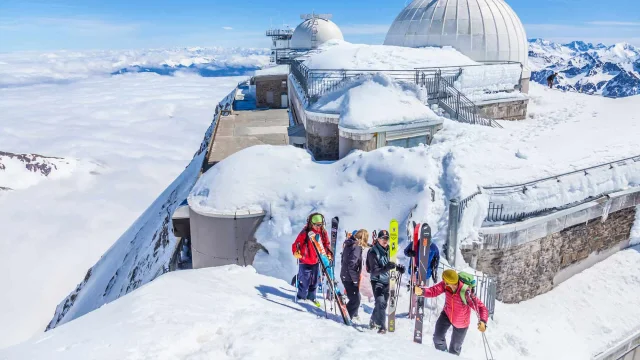
Throughout the winter, ski instructors and mountain guides are on hand to guide you, ensure you progress safely and give you a unique experience.
Whether you’re a good skier or an expert looking for steep lines, a mountain guide is highly recommended.
A qualified mountain professional will give you perfect knowledge of the area and snow conditions.
Local organisations such as the Bureau des Guides du Pic du Midi and Pyrénées Expérience offer supervised outings.