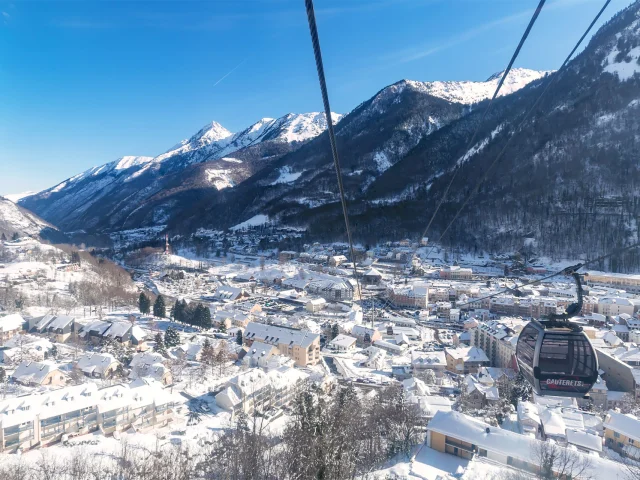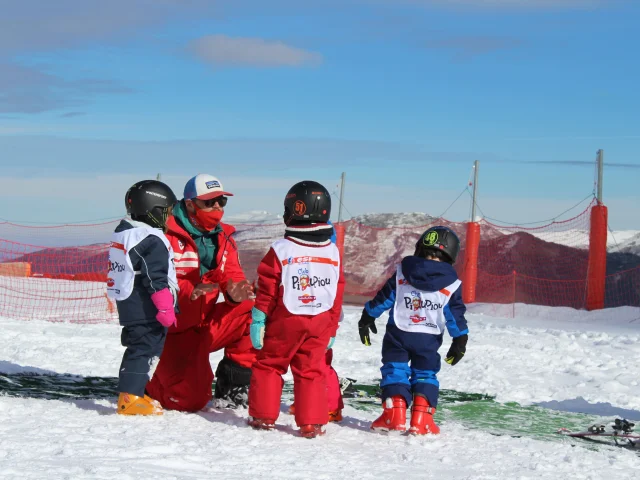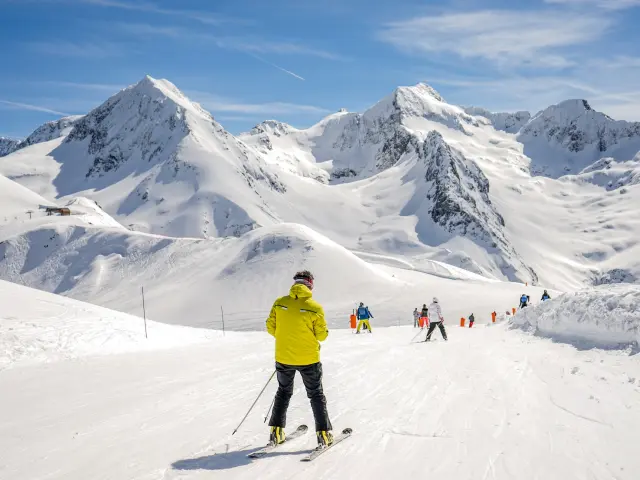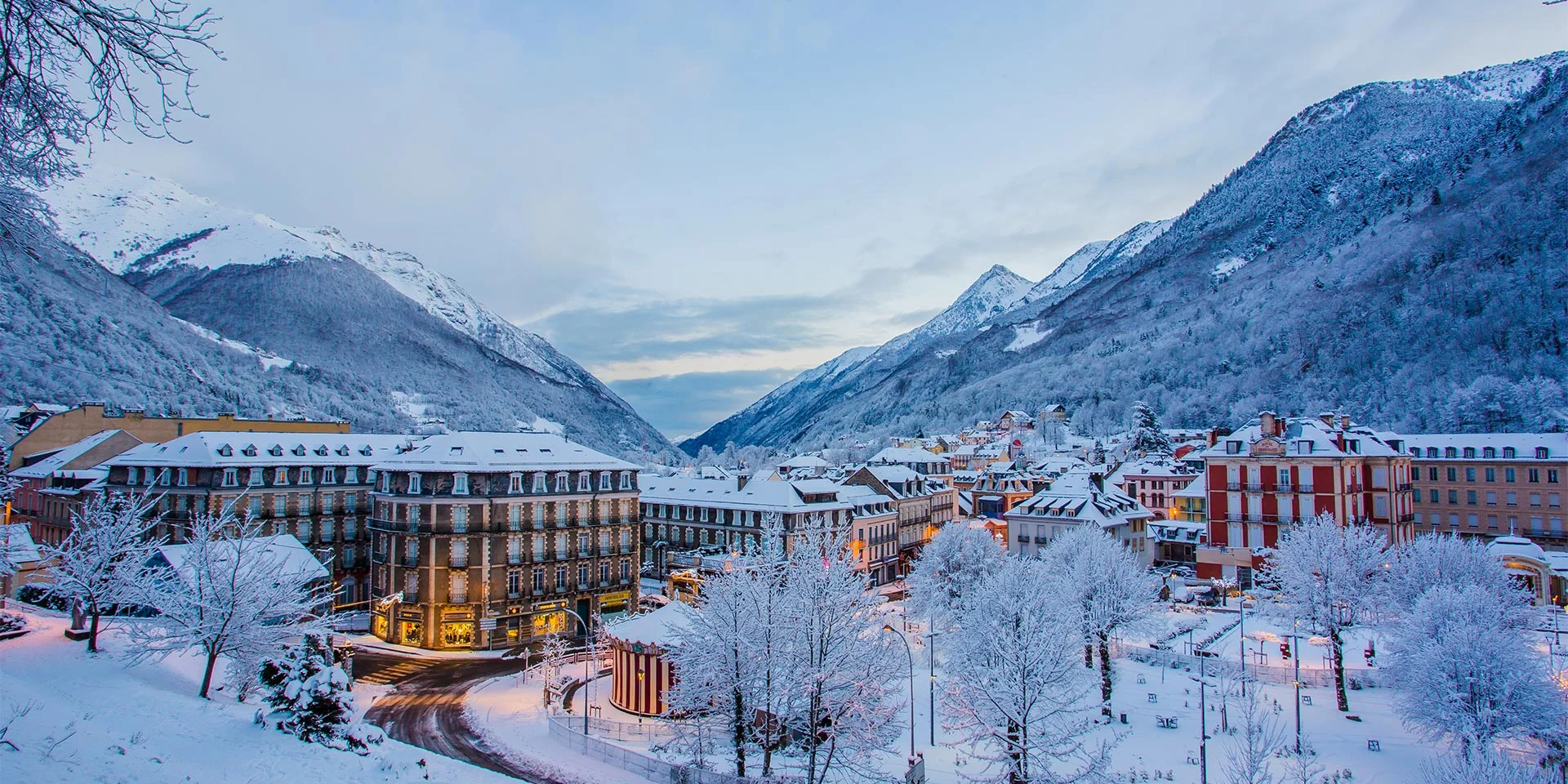
A family ski break in the heart of the village of Cauterets
|
Spa resorts
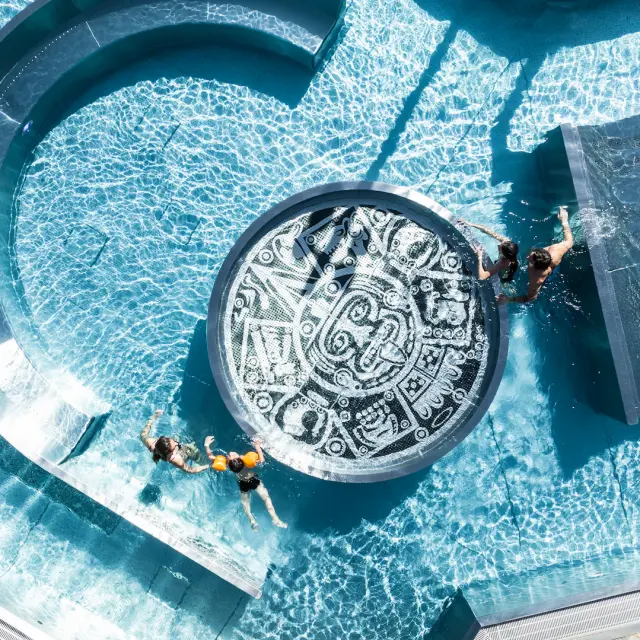
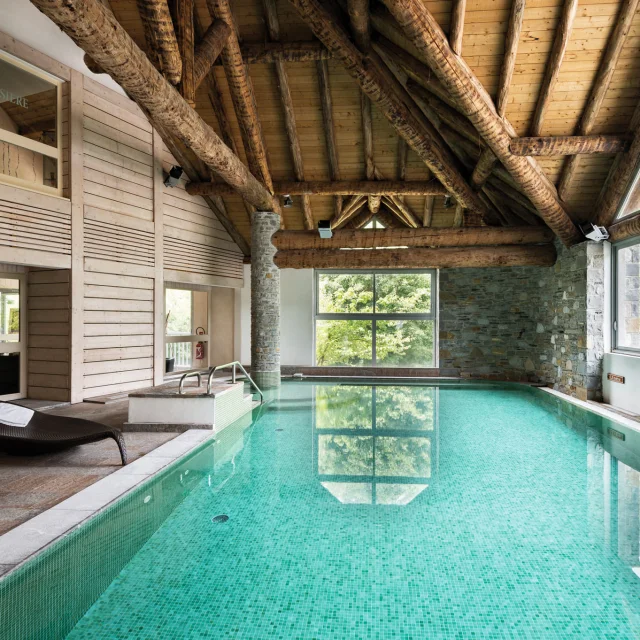
of the hautes-pyrénéesGenerous, the water in the Pyrenean subsoil cares for the body. Sulphured or sulphated, thermal water has been providing relief since time immemorial.
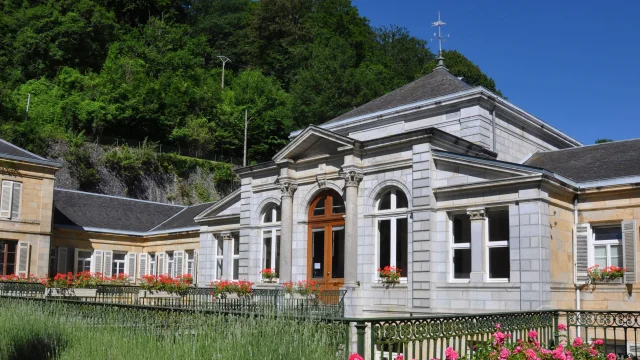
As far back as Roman times, Bagnères de Bigorre (then known as Aquae) had extensive baths (located on the site of today’s thermal baths).
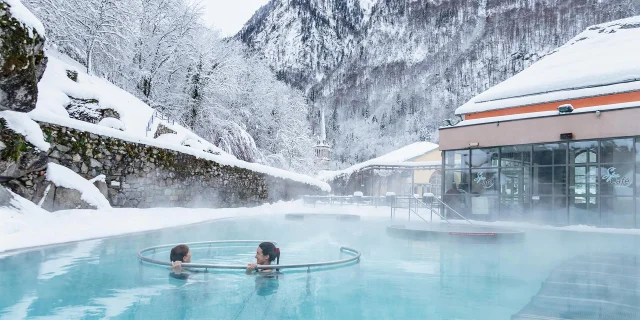
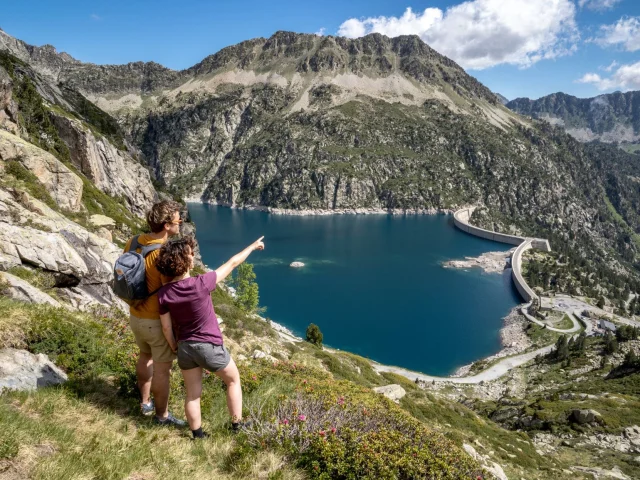
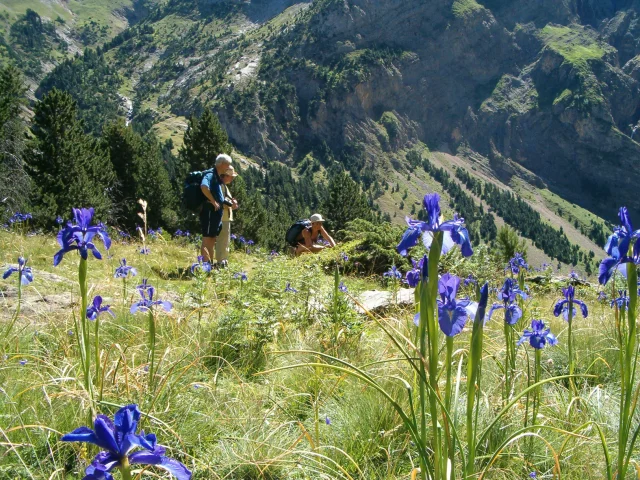
That’s the privilege of the Pyrenees. They boast magnificent landscapes to explore and hot springs to comfort both experienced and casual walkers.
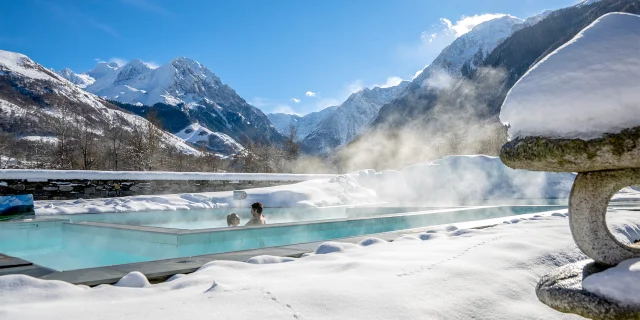
The variety and richness of the water in our department means that it can be used to treat a wide range of conditions: rheumatology, respiratory tract – ENT, phlebology, metabolic diseases, digestive system, urinary system, psychosomatic conditions, gynaecology, etc.
Argelès-Gazost, Bagnères-de-Bigorre, Barèges-Barzun, Beaucens, Capvern-les-Bains, Cauterets, Luz Saint-Sauveur and Saint-Lary: the 8 spas in the Hautes-Pyrénées each treat specific ailments. They regularly offer new cures adapted to the ailments of our time (fibromyalgia, lymphoedema, obesity, sleep disorders…).
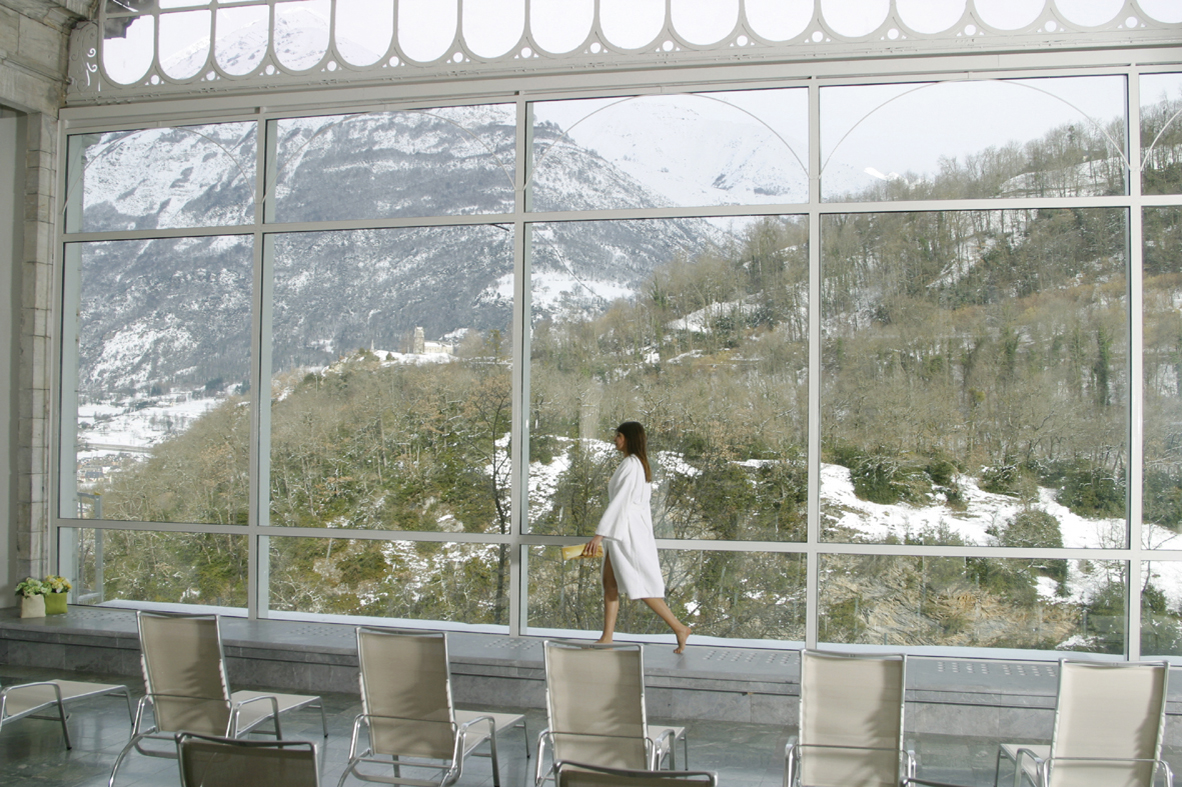
The spa industry has played a part in the development and opening up of our department.
From the end of the 17th century to the 19th century, it was the thermal challenge more than the needs of the mountain dwellers that led to the construction and then maintenance of carriageways.
During a visit by the Emperor, Napoleon III, to Saint Sauveur in the summer of 1859, the spa road project was born. The recently completed Paris-Tarbes rail link enabled the Pyrenean town to welcome a wealthy clientele who then spread out to the various spa centres.
Of the six projects, four were scheduled by imperial decision on 6 May 1860: Arudy-Escot via the Marie-Blanque pass; Argelès – Les Eaux Bonnes via the Soulor and Aubisque; Bagnères-de-Bigorre -Barèges via the Tourmalet; Bagnères-de-Bigorre – Bagnères-de-Luchon via the Aspin and Peyresourde. Other links have simply been improved. The Hautes-Pyrénées department has benefited greatly from this infrastructure.
Wellness and culture
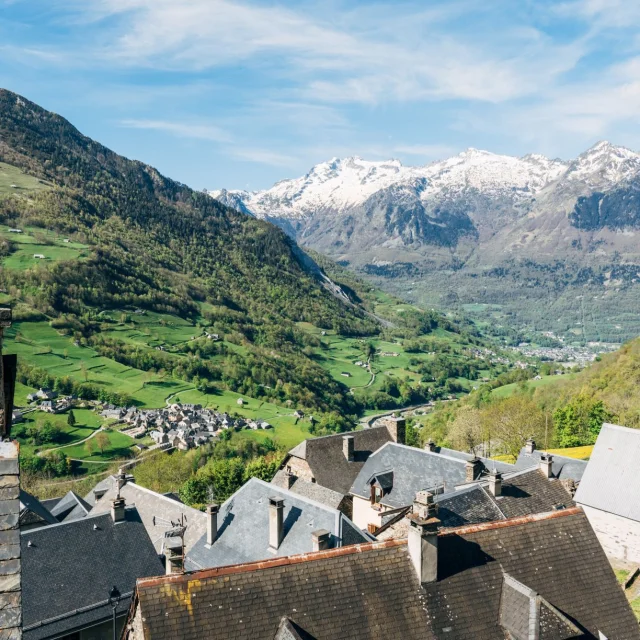
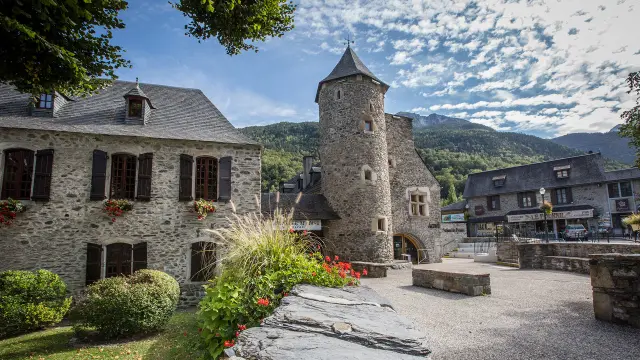
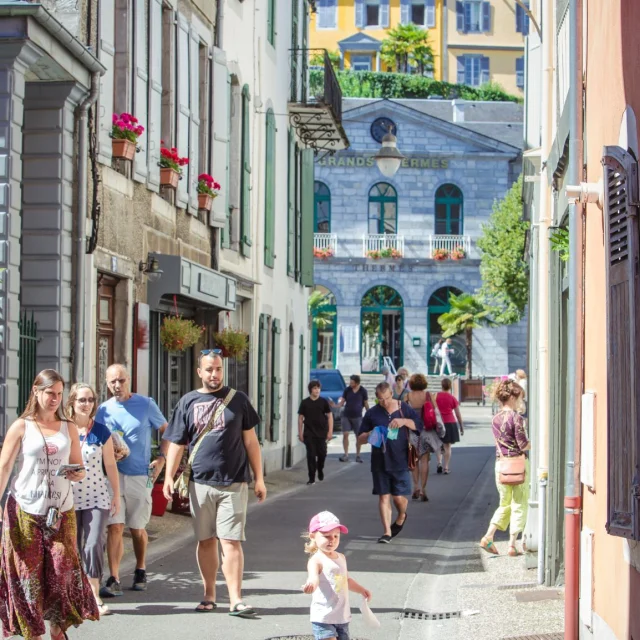
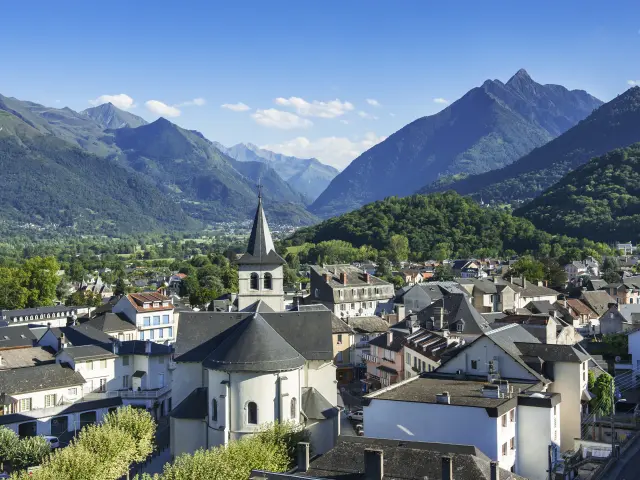
The Hautes-Pyrénées is home to a number of spa resorts where water tells a different story about the mountains: one of gentleness and comfort. In these places where time slows down, you can stroll through the narrow streets steeped in history and discover the town’s cultural heritage. The resorts are ideal base camps for exploring the mountains and taking part in a wide range of activities all year round.