©

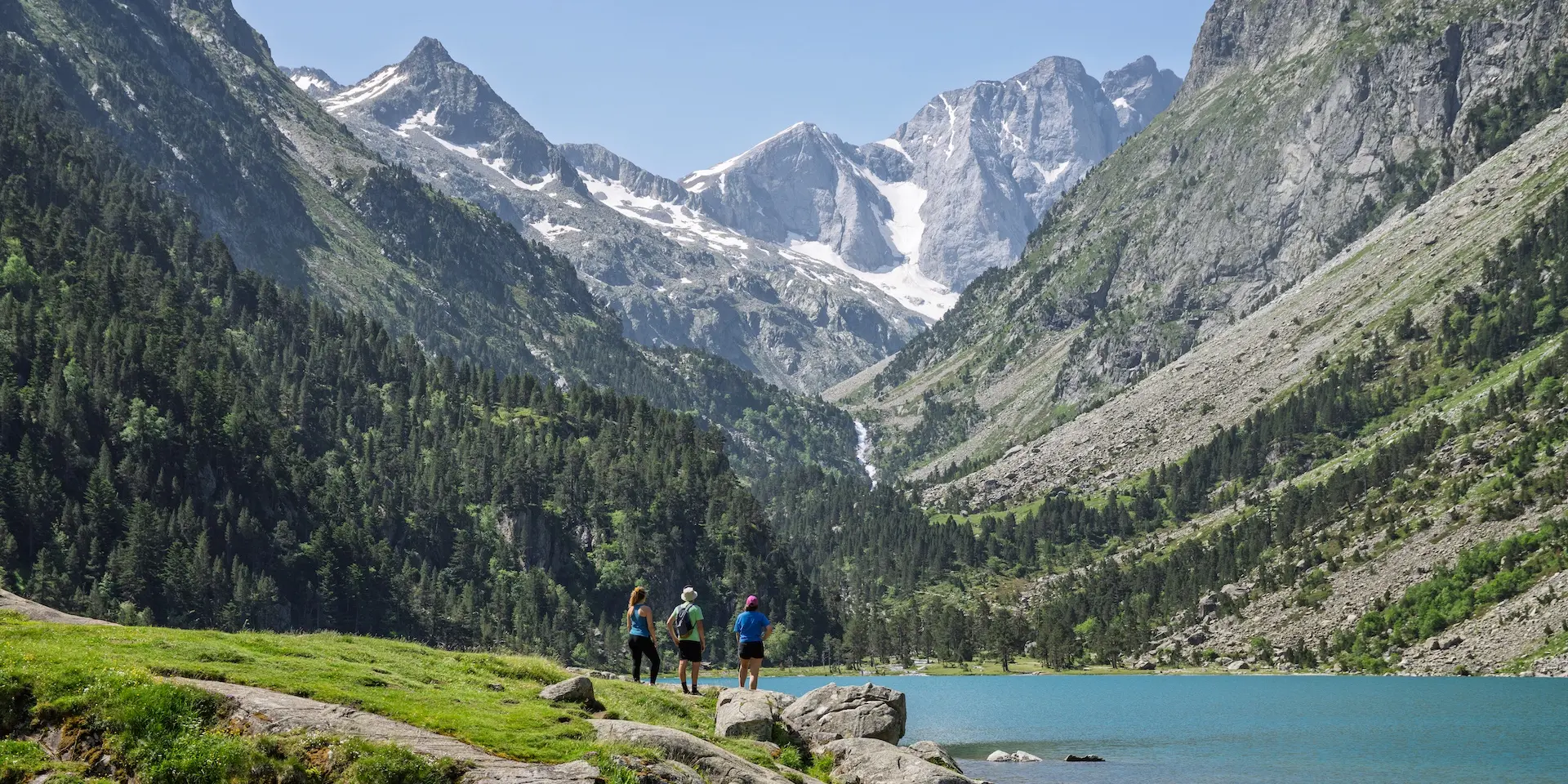
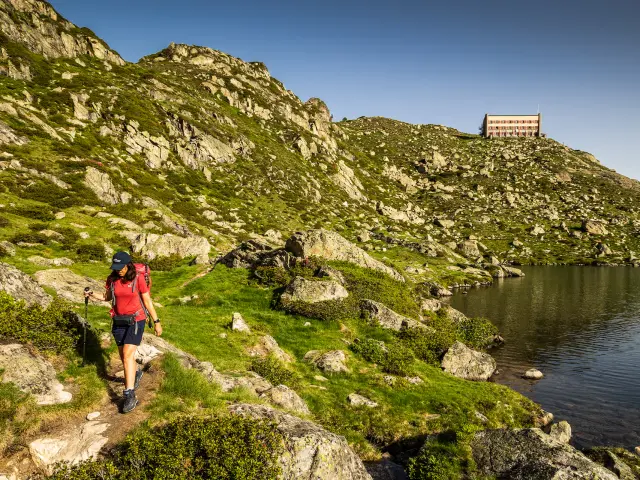
Lake Gaube

|

Anthony Bonal

The Pyrenees National Park

The essence of the Pyrenees

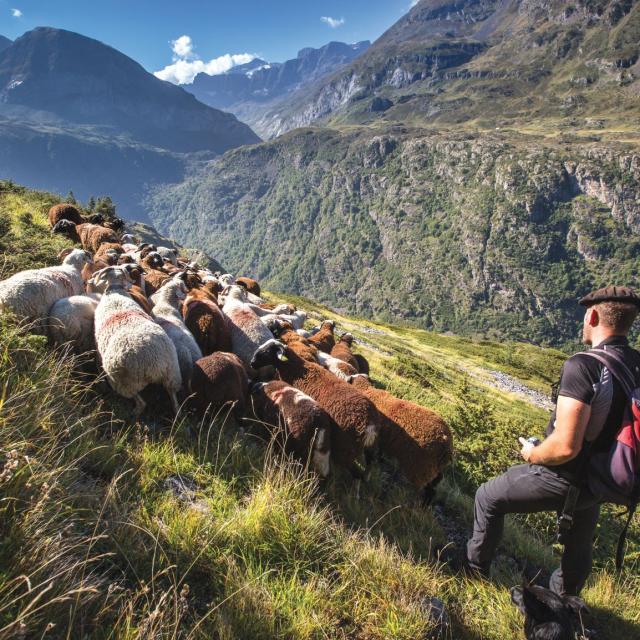
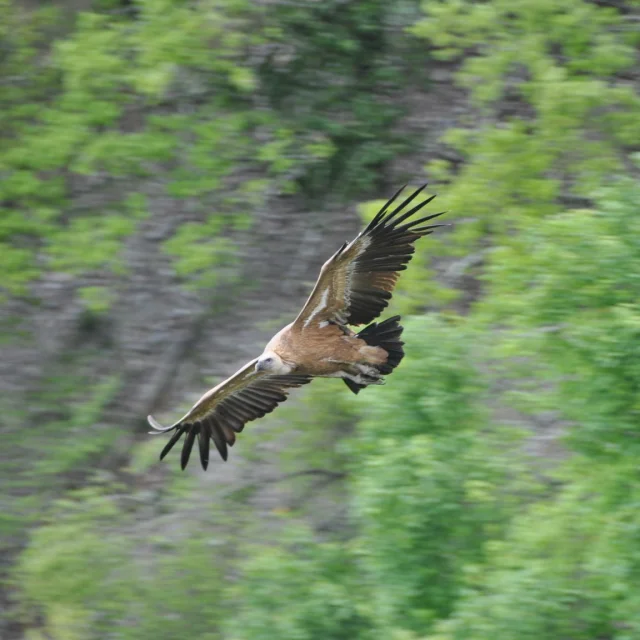
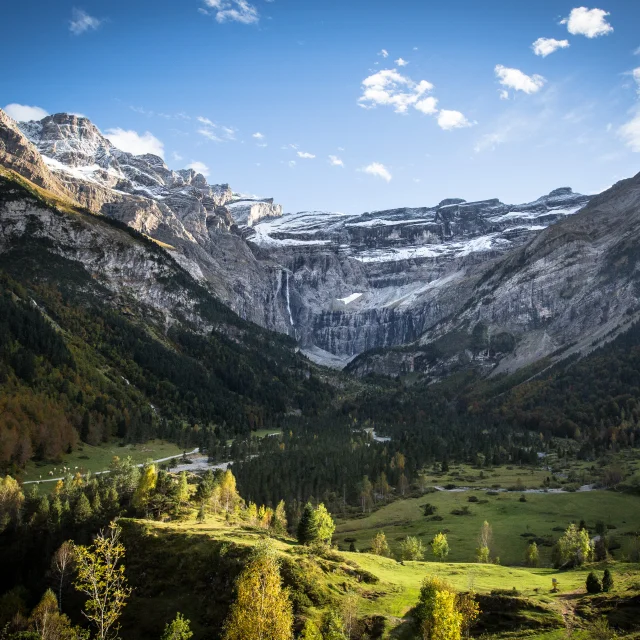
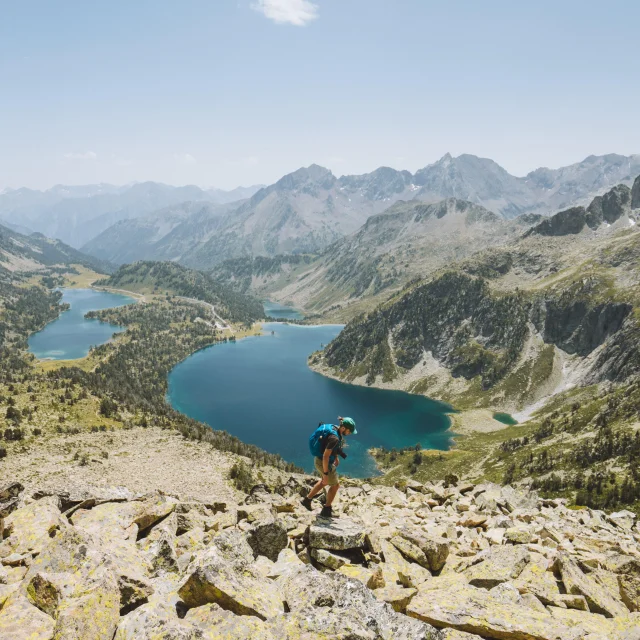
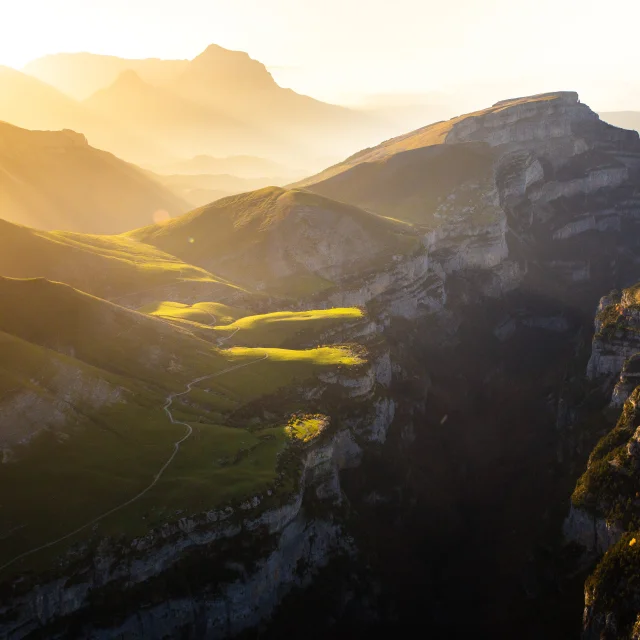
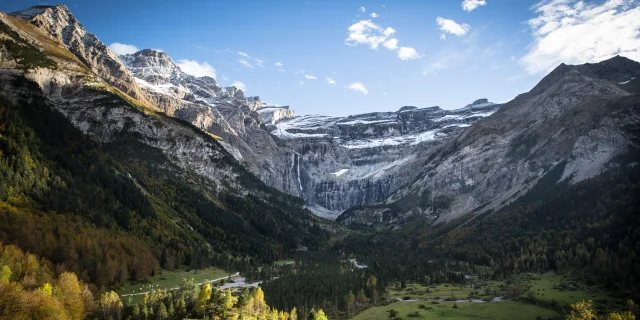
The Pyrenees National Park is made up of six valleys stretching along the French-Spanish border, revealing a rich and varied landscape. A concentration of flora and fauna, home to more than 160 species of flora, an empire of isards and bearded vultures, the great birds of prey of the Pyrenean peaks… You’ll recognise the glacial cirque of Gavarnie, a UNESCO World Heritage site, as well as the Néouvielle massif, renowned for its landscapes of lakes and mountains, and the Vignemale, the highest peak in the French Pyrenees. Hiking trails criss-cross the Park, with its unspoilt landscapes and biodiversity.

unique

A wealth unique in Europe

Established in 1967, the Pyrenees National Park encompasses six high valleys bordering Spain: the Aure, Barèges, Cauterets and Azun valleys in the Hautes-Pyrénées, and the Ossau and Aspe valleys in the Béarn region. It ensures the preservation of exceptional biodiversity while reconciling human activities in 86 villages. It is the most visited of France’s nine national parks.

open air

Destination plein air

A showcase of biodiversity

Walks in the valleys

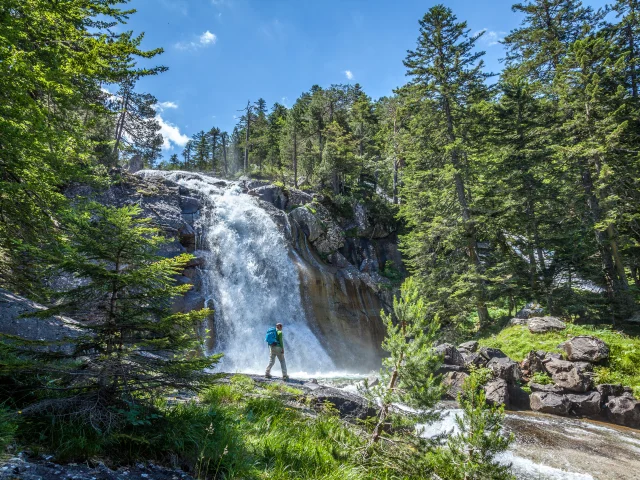
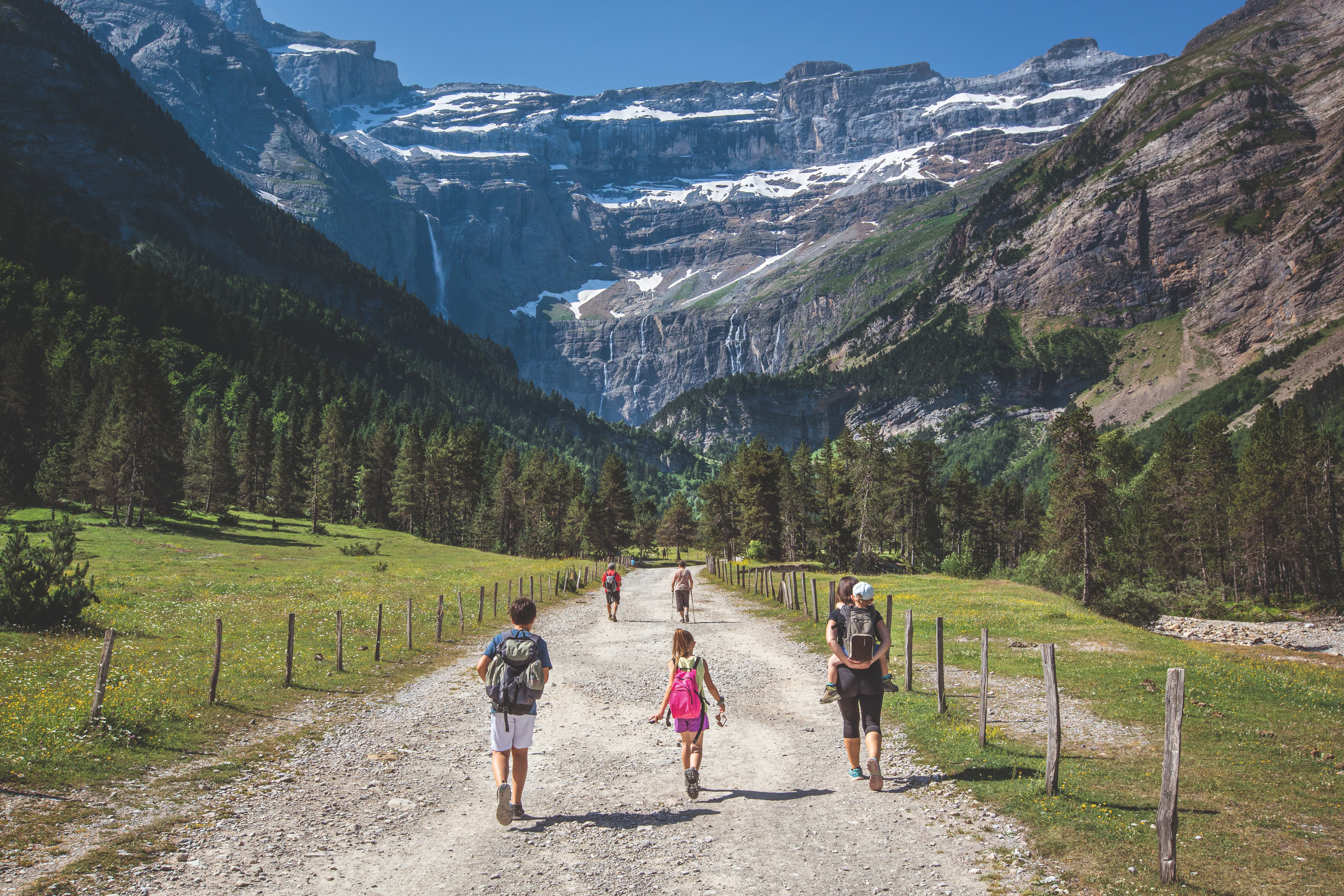
The park’s many waymarked trails offer an immediate mountain experience, from the easiest hike to the unmarked Haute Route Pyrénéenne (HRP), which follows the border ridge from east to west. The Park has 7 houses and 5 refuges where you can spend the night in the mountains.

Numerous itineraries invite you to discover exceptional natural sites such as the Lac de Gaube, the Pont d’Espagne, the Gavarnie cirque, a UNESCO World Heritage site, and the Pic du Midi d’Ossau.
A haven of unspoilt nature

As Europe’s southernmost mountain range, the Pyrenees are home to an exceptional wealth of biodiversity, thanks to the variety of habitats and the protection measures in place. The Park boasts some 2,500 higher plant species and 4,000 animal species, including 250 vertebrate species.

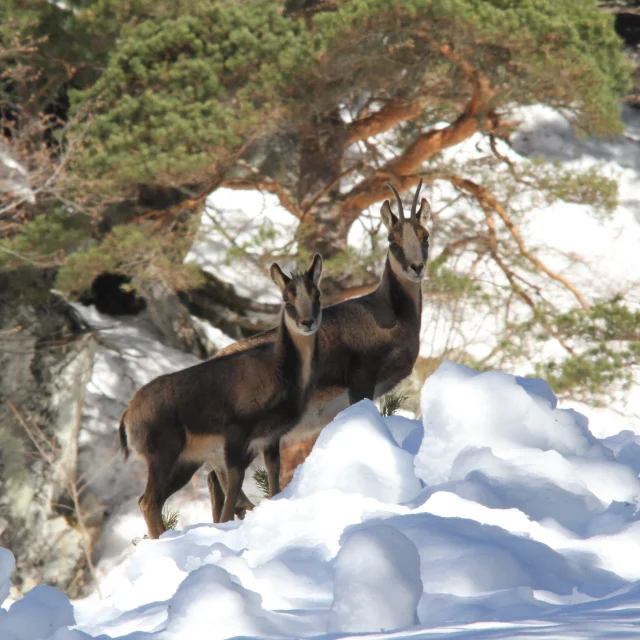
The park boasts some of the most original endemic flora in Europe (ramonde, fritilaria, saxifrage, etc.) and a remarkable wildlife (bearded vulture, golden eagle, Egyptian vulture, isard, marmot, etc.) that is easy to observe.

pyrénées

What to do in the Pyrenees National Park

FAQ

Frequently asked questions

  • Is it possible to climb in the Pyrenees National Park?

    Yes, climbing is permitted in certain areas of the Pyrenees National Park, but it is regulated to protect the environment and biodiversity. There are many popular climbing spots, including La Dent d’Ossau and the Pic du Midi. Certain sensitive areas may be off-limits during the bird nesting season.

  • Is it possible to camp in the Pyrenees National Park?

    Regulated bivouacs are permitted more than an hour’s walk from a road access, between 7pm and 9am. No camping or parking of camper vans overnight. There are bivouac areas around the refuges where you can pitch your tent for the night.

  • What are the best viewpoints in the Pyrenees National Park?

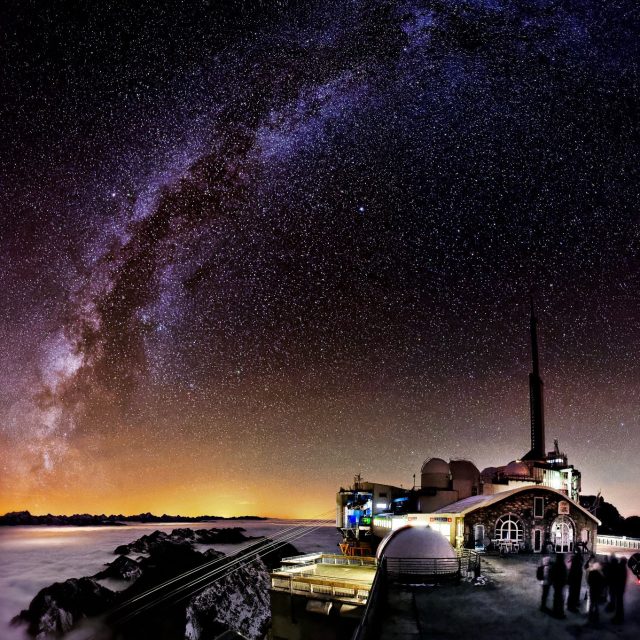
    The Cirque de Gavarnie is one of the most beautiful vantage points in the Pyrenees National Park, with its 422-metre waterfall accessible by a hike suitable for everyone. The Pic du Midi d’Ossau, emblematic of the Ossau valley, offers magnificent panoramic views, particularly from the tour of the Ayous lakes. Another treasure of the park is the Massif du Néouvielle, with its high-altitude lakes and high peaks. The Pic du Midi de Bigorre, meanwhile, is a peak famous not only for its panoramic views, but also for its astronomical observatory, ideal for stargazing.