©

Broche Cake

Local products and specialities

of the hautes-pyrénées

In the Pyrenees, cuisine is all about character. Cheeses are slowly matured on high-altitude farms, Noir de Bigorre pork makes melt-in-the-mouth charcuterie and mountain honey captures the scents of the mountain pastures. Each local product reflects the expertise of the producers and theauthenticity of the land. In winter, after a day in the fresh air, a steaming garbure warms both body and soul. In summer, a blueberry pie or spit-roasted cake adds a sweet touch to a hike. Whether at the market or at the table, Pyrenean specialities can be discovered simply, with the pleasure of eating well and sharing.

Noir de Bigorre

the excellence of a ham

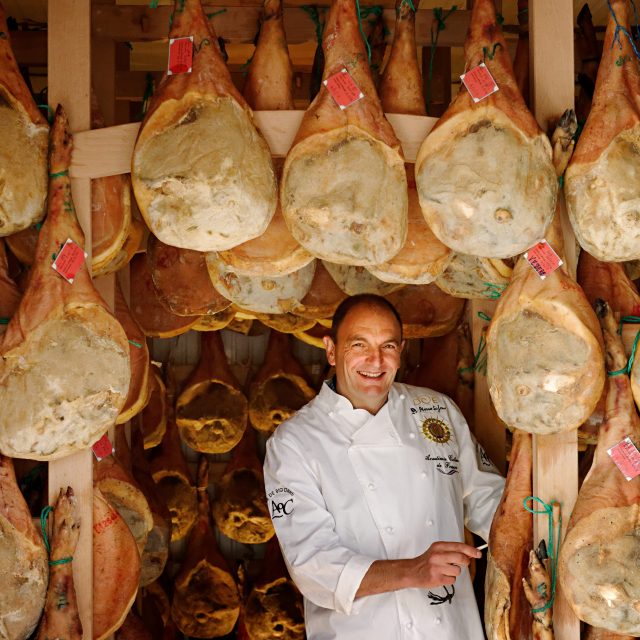
From a breed doomed to extinction to a ham that has become a veritable flagship, there’s only one pig. Or rather several. In the 1980s, farmers got together to prevent the extinction of the Noir de Bigorre. This local pig feeds mainly on acorns and chestnuts, and its ham is a delight to the most discerning taste buds. Renowned for its marbled meat, this pig now takes pride of place on the finest tables and ranks as one of the best in the world.
Madiran wines

Two AOCs for one region

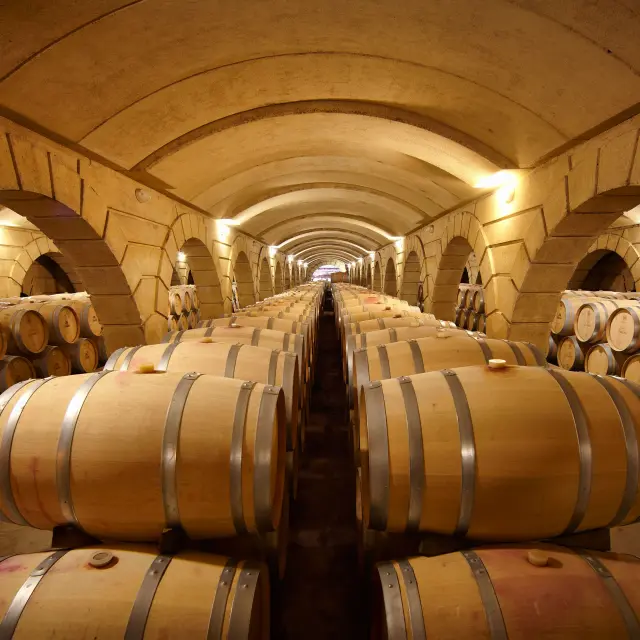
Madiran is an intimate vineyard, with an image of a robust, powerful wine. Yet it can also reach heights of finesse and elegance, with the added depth and intensity of its precious tannat, which now accounts for 70% of the vineyard’s production. Petit Manseng and Petit Courbu are blended to produce a fresher, smoother white. Madiran reds and Pacherenc-du-Vic-Bilh whites are produced in three départements: Pyrénées-Atlantiques, Gers and Hautes-Pyrénées. In this united area, 200 winegrowers cultivate the grape varieties that have made these wines world-famous.

Cake on a spit

The icon of the Pyrenees

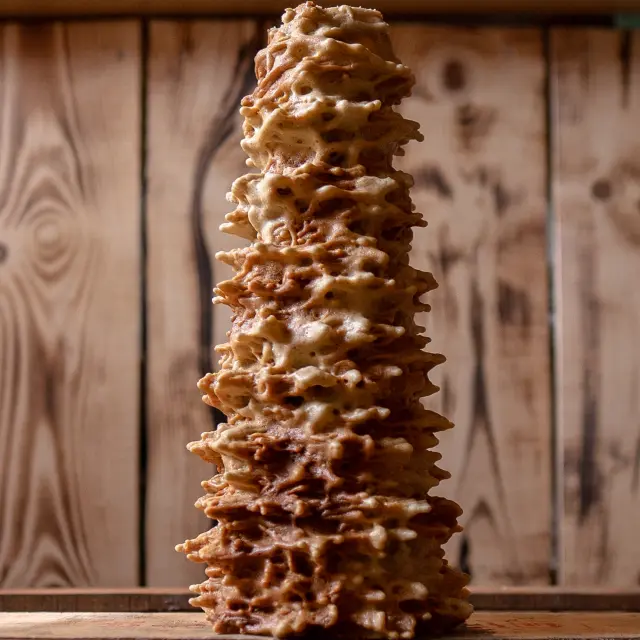
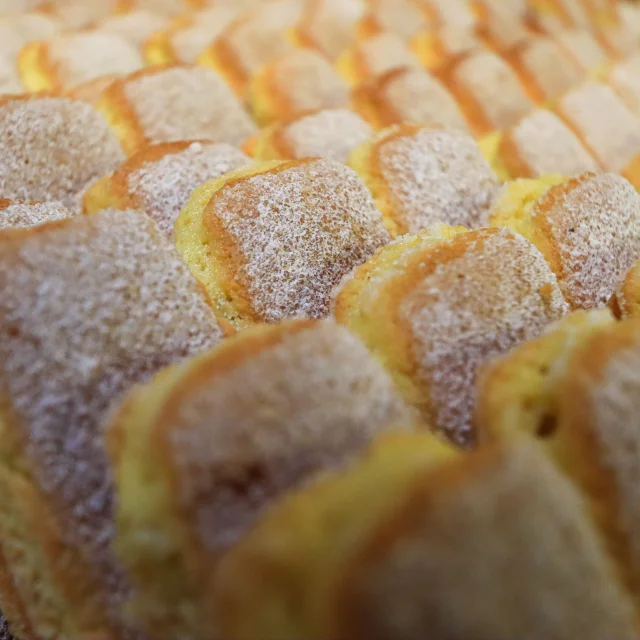
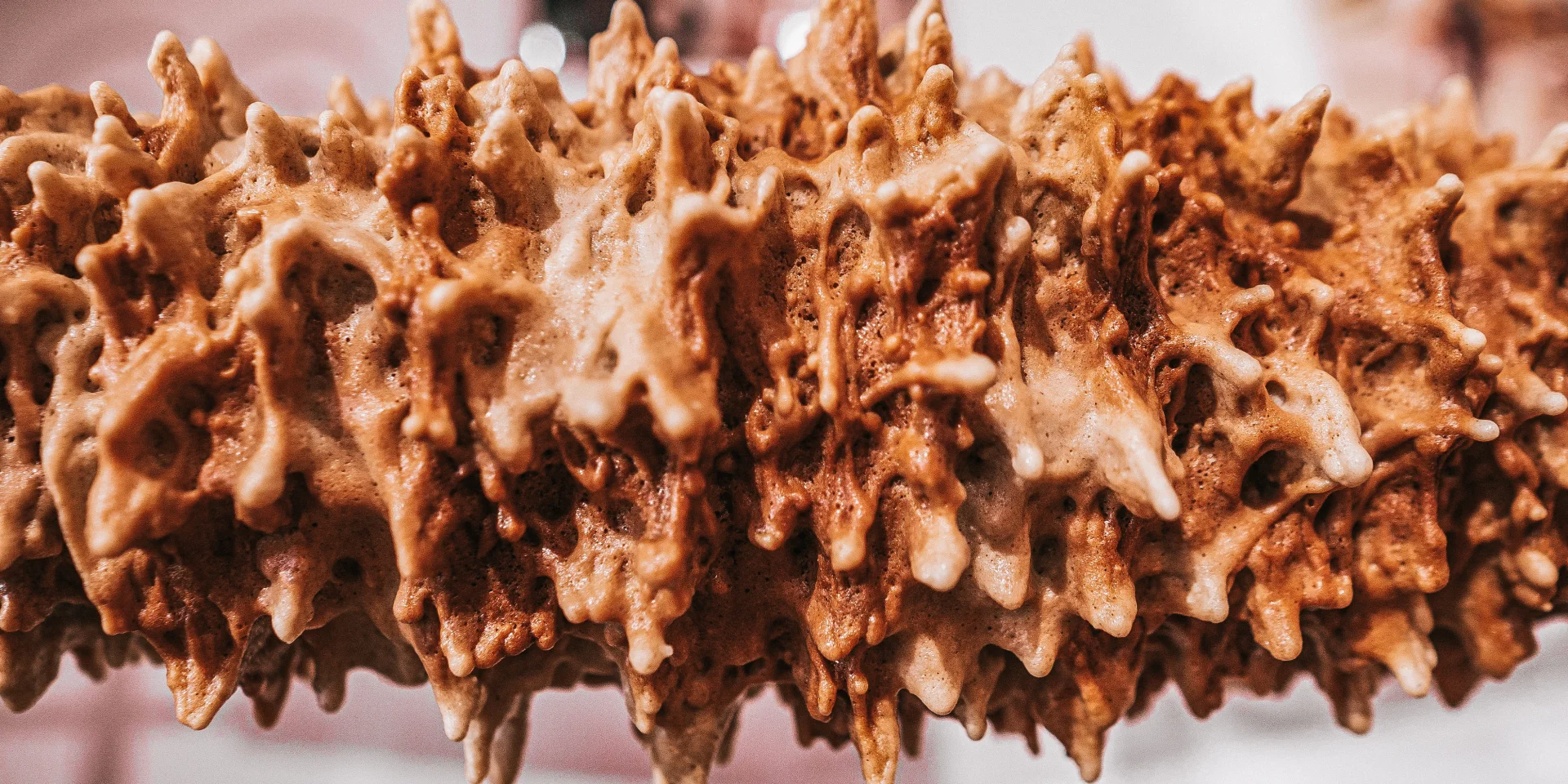
The spit cake’s reputation is based on its appearance as a woodpecker wrapped in irregular spikes. A veritable icon of Hautes-Pyrénées gastronomy, the spikes are formed during the slow, meticulousbaking process and their size depends on the speed at which they are turned. In some homes, this pastry is still made by hand. It is often prepared in pairs. One sits in front of the open fire to turn the spit, the other mechanically pours the pastry from one end to the other onto the tin. This cake is prepared just as it is eaten, as a family on special occasions. On paper, everyone has their own recipe, but purists prefer it without orange or lemon flavouring, just a hint of vanilla and even a dash of rum.

Pailhasson Chocolate

Established in 1729

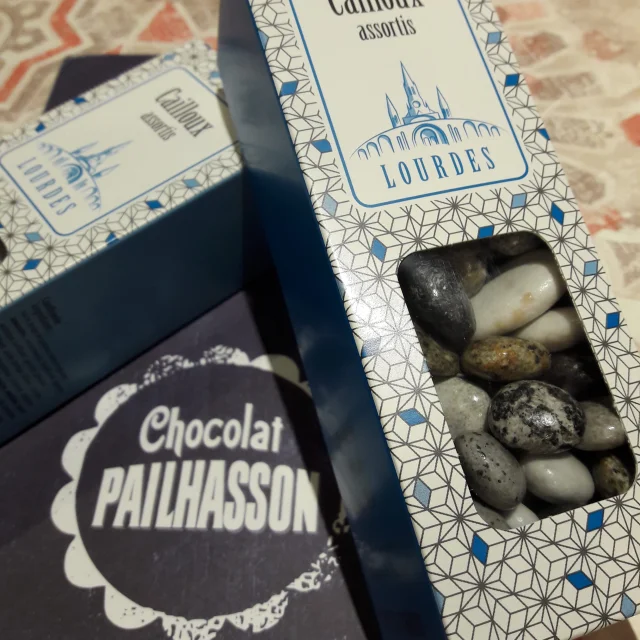
Founded by an apothecary from Lourdes in the early 18th century, France’s oldest chocolate factory continues to delight the taste buds of all generations. Its success grew in the following century, when Paillasson became a supplier to Pope Leo XIII and Empress Eugenie. Their chocolates were in everyone’s mouth. From chocolate bars to gummy bears, not forgetting spreads, orangettes and even haricots tarbais, the house speciality: a white chocolate-covered nougatine in the shape of a bean.

Pyrenean beers

Craft breweries

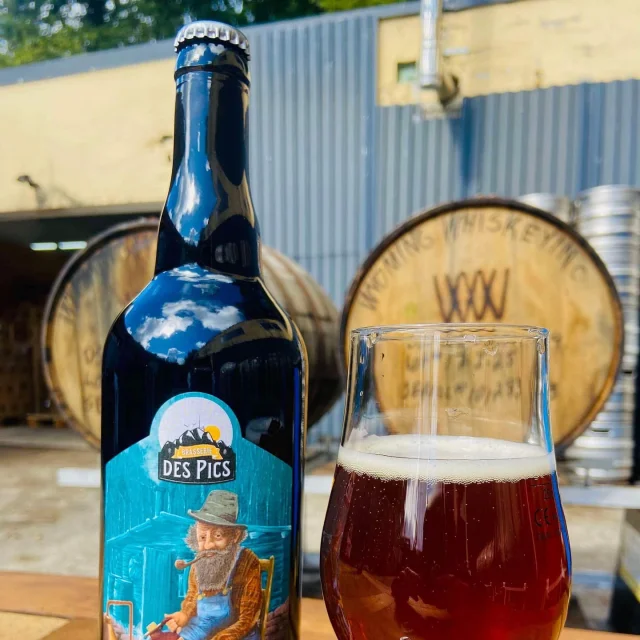
Alongside Madiran wines, bottles of beer are playing with capsules to win themselves a place on the table. In the Hautes-Pyrénées, almost every valley has its own craft brewery where the hops ferment in mountain water. Brewed by the Gave de Gavarnie, the Neste d’Aure or the Adour, they all have their own subtleties, but they are all enjoyed – always in moderation – in the same way: served well chilled.

Ribère flour

Last active miller

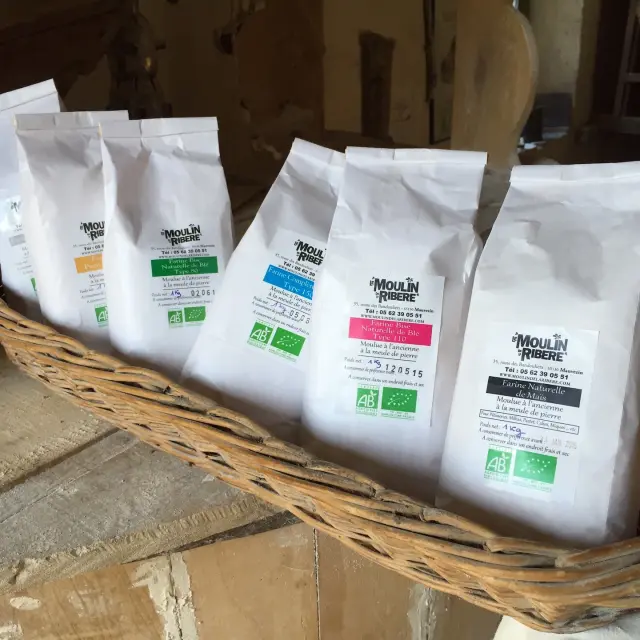
At the entrance to the Baronnies, the Ribère mill is still running, and stands out as one of the last remaining mills in the region. Thanks to Pierre’s determination, the millstone has been dusted off and relaunched, much to the delight of visitors. The miller makes several types of certified organic flour in the old-fashioned way, and also organises workshops where apprentice millers for a day can leave with their own loaves.

Védère Biscuit Factory

Everlasting sweets

Familiar to all Bigourdans, the Védère biscuit factory brings back the sweets of childhood at snack time. In the Hautes-Pyrénées, if there’s one daily appointment you can’t miss for anything in the world, it’s four o’clock. The star of the kitchen? Pies, of course. But the house’s expertise is also to be found in the sponge cake. Commonly known as the “biscuit of the country” by the locals, it goes down well in the mouth dipped in a cup of coffee, milk or even a glass of red wine for the old-timers. The tearoom, housed in an old railway carriage, invites you to sample all these delicacies.

local

Local produce à la carte

Ha-Py Saveurs restaurants

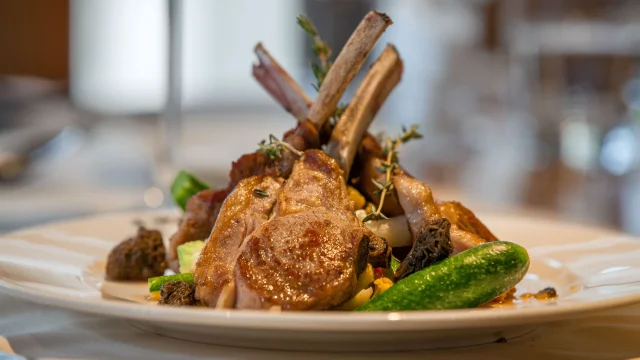
A guarantee of quality, the “Ha-Py Saveurs” label certifies restaurants that are fully committed to a locavore approach. The chefs prepare recipes using products from the Hautes-Pyrénées. On the menu, the great classics of local gastronomy are paired with wines from our vineyards. More broadly, this brand is aimed at all food shops: caterers, craftsmen, delicatessens, etc.